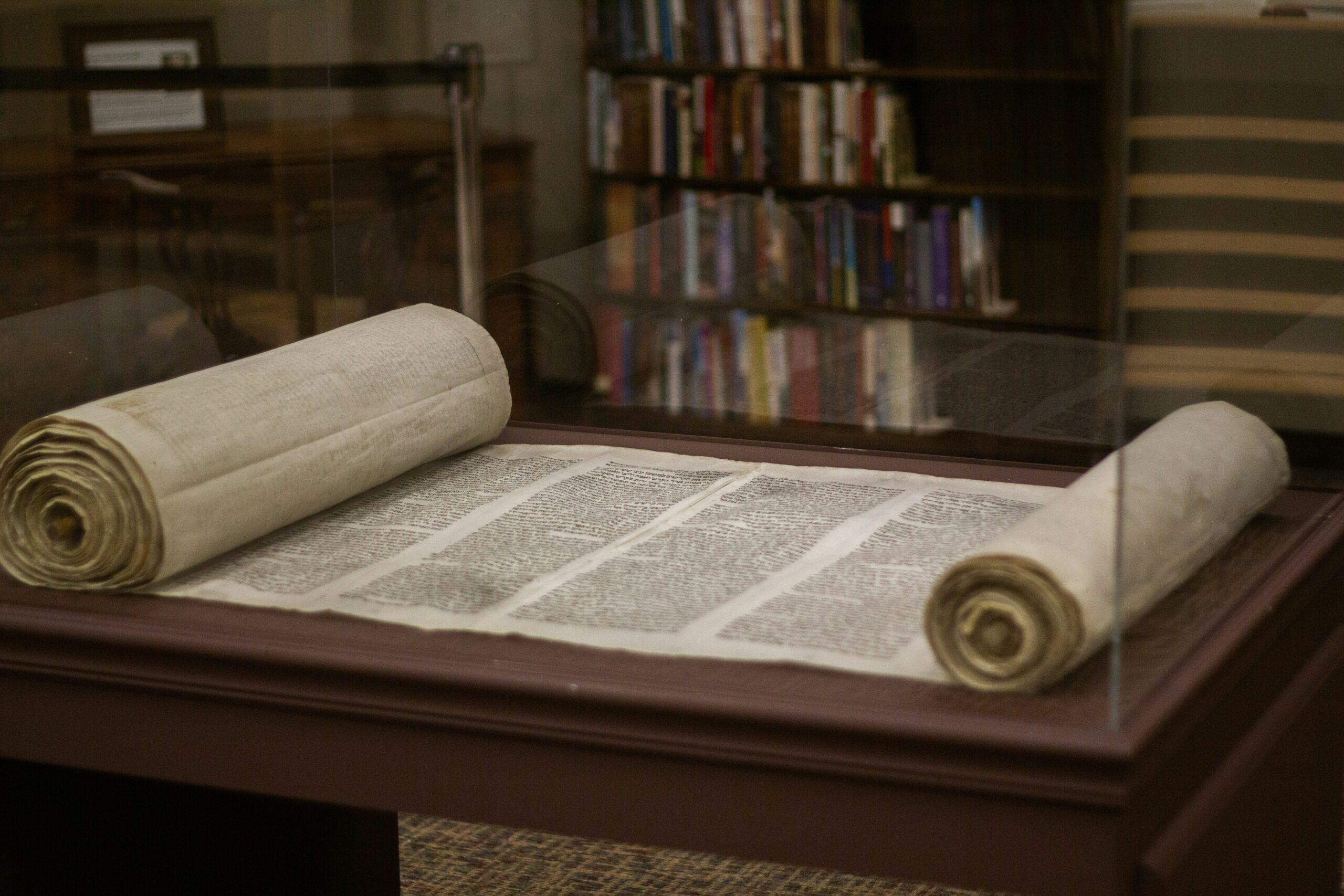
Overview of 2 Kings, Adult Discipleship Class
This sermon explores the book of 2 Kings through the lens of descriptive versus prescriptive interpretation, emphasizing that while God performed supernatural miracles to validate His prophets, these acts were not prescriptive models for contemporary practice. The central theme identifies the book as a narrative of the “God who exiles,” illustrating how Israel’s persistent disobedience to the Mosaic Covenant resulted in the fulfillment of prophesied curses, including famine and military defeat. The text highlights the consistent motif that God’s word is always fulfilled, whether in judgment or in the preservation of a remnant through the Davidic covenant. By tracing the fall of both the Northern and Southern Kingdoms, the message underscores that the exile served as a merciful revelation of Israel’s spiritual bankruptcy, pointing ultimately to the necessity of the New Covenant. The tone is instructional and pastoral, encouraging believers to trust in God’s unwavering faithfulness to His promises despite human failure.
Transcript
It’s a privilege to be out with the Leachmans and their church service out in Wyoming. And also, I was so sad that I missed Luke and Ashlyn. Oh, man. But Luke’s message, just like Dave’s, both really encouraged me. So it’s great to see all of you. If you’ll turn to the book of 2 Kings, our study of the Old Testament today will be from this book.
And as you’re turning there, I think a certain principle of biblical interpretation is of note and important for this book as well as our study of all narrative throughout the Bible. And this principle is known as the difference between descriptive and prescriptive interpretation of the Bible. What is descriptive versus prescriptive interpretation of the Bible, you might ask? Well, it has to do with how we interpret the events that take place and unfold in history.
God has worked in amazing ways when we look through the whole of biblical history, starting from the very beginning in Genesis all the way through Revelation. But just because God worked in a certain way, does not mean that we should expect him to work in the same exact way in our lives today because of the unique nature of some of the times that these miracles took place. For instance, this might be a bit much, but If you wanted to hear from God, I wouldn’t recommend buying a donkey and bringing it to your backyard and listening just in case the donkey would speak to you because God spoke through a donkey. He did in the book of Numbers to Balaam. And just because he did that doesn’t mean that we should be presumptuous about his speaking to us today. God’s word is sufficient.
And so when we come to a book like Acts or 2 Kings, we see many amazing things that God does, many miracles worked that demonstrate his glory. But while we recognize these things, we also need to see what the narrative is doing and showing us the purpose of those miracles. The purpose of the miracles in the book of Acts was to validate the message of the gospel, that the foundation of the church with apostles and prophets were actual representatives of Christ, bringing the good news of salvation. And the miracles that followed them were often called signs because they were the signs that showed these guys were legit.
And it’s the same thing with the books of 1st and 2nd Kings. We see many miracles with Elijah and Elisha and their ministries. And this is because God was validating in a very dark time in Israel’s history that these men were sent from him. So we come to the Book of Second Kings, and as mentioned, I think last, or two weeks ago, it’s been a little while, the Second Kings is meant to be considered as one with First Kings.
It’s split up because of how big the translations got as they were translated from Hebrew into Greek and English. And it’s written most likely by an unknown prophet. We don’t really, some people have said Jeremiah. It’s kind of difficult because of him, where he went, the location just doesn’t seem right.
And so it’s very likely during the time of the exile, Written by a prophet looking at Israel’s history from both a historical perspective in sort of an empirical objective historical record in account, but also a theological one that Because Israel had disobeyed God had disobeyed the Mosaic Covenant that they were receiving curses for disobedience as promised and so if we were to think about a date for second Kings very likely 561 to 538 BC during the time of the exile.
If we were to think of a theme of this whole book of Second Kings, if we were to take it as a whole, a very common theme, and I think one that would suit this book, is the God who exiles. the God who exiles. These themes, too, I’m drawing mostly from Paul House and his Old Testament theology. I’m not taking these things from myself, but many wise men who have studied God’s word have come to those conclusions and they seem quite reasonable. If we were to think about a structure of the book, it’s pretty evenly split.
It sometimes can be a bit confusing reading the books of the kings because there is often mix of Israel and Judah. It can be confusing sometimes about which kingdom are they talking about. But if we were to sort of organize it the best way we could, I think the best way would be chapters 1 through 17 speaks of Israel’s fault in Northern Kingdom. which eventually takes place in 722 B.C., so leading up to their exile. And then chapters 18 through 25 speak of Judah’s fall, which would take place ultimately in 586 B.C. Now these aren’t perfectly, it isn’t just like there was nothing and then in 586 B.C. Judah was exiled. Judah, there was multiple deportations, but we’ll get to that later.
So at the very beginning, we come to the narrative where Elijah is in the forefront in chapter one. Two weeks ago, we kind of skipped over a lot having to do with Elijah’s ministry, specifically sort of the protagonist to Ahab, wicked king of Israel, the antagonist of the narrative, and the amazing things that God worked through him. We think of the account of the 450 prophets of Baal, And now Elijah is going to be replaced. And so we read in verse one, it says, now Moab rebelled against Israel after the death of Ahab.
And Ahaziah fell through the lattice in his upper chamber, which was in Samaria, and became ill. So he sent messengers and said to them, go inquire of Beelzebub, the god of Ekron, whether I will recover from this sickness. But the angel of the Lord said to Elijah, so this is Elijah, not Elisha, the Tishbite, arise, go up to meet the messengers of the king of Samaria and say to them, is it because there is no God in Israel that you are going to inquire of Beelzebub, the God of Ekron?
Now therefore, thus says the Lord, you shall not come down from the bed where you have gone up, but you shall surely die. Then Elijah departed. When the messengers returned to him, he said to them, Why have you returned? They said to him, A man came up to meet us and said to us, Go return to the king who sent you and say to him, Thus says the Lord. Is it because there is no God in Israel that you are sending to inquire Baal-zebub, the god of Ekron?
Therefore, you shall not come down from the bed where you have gone up, but you shall surely die. He said to them, what kind of man was he when he came up to meet you and spoke these words to you? They answered him, he was a hairy man with a leather girdle about his loins. And he said, oh.
It has to be Elijah. Elijah the Tishbite. So the king isn’t super happy about this, so he decides to send a captain of 50 with his 50 men. He tries it one time, and Elijah responds in verse 10. He says, if I am a man of God, let fire come down from heaven and consume you and your 50. And so the king hasn’t necessarily learned, and he does the same thing again. We see in verse 11, a second captain of 50 and his 50, and Elijah says the same exact thing. And those men are vaporized. Then we get to verse 13, and the king sends another captain of his 50. I would not want to have that job. That would be a really rough job to have to be the captain of the 50 going to Elijah again to try and get him.
And the text says, he came and bowed down, verse 13, on his knees before Elijah, begged him and said to him, oh man of God, please let my life and the lives of these 50 servants of yours be precious in your sight. And then he explains, the other guys died, please don’t do the same, and God, or the angel of the Lord said to Elijah in verse 15, go down with them, don’t be afraid. And so eventually, as the word of the Lord said, and a consistent theme in 2 Kings is that God’s word comes true, that God’s word is true, and it will prove itself in reality, in historical reality, again and again.
Ahaziah dies in verse 17. According to the word of the Lord, which Elijah had spoken. And because he had no son, Jehoram became king in his place. In the second year of Jehoram, the son of Jehoshaphat, king of Judah. And in chapter two, we get to this sort of transition. Elijah is sort of the representative, the prophet of God that has been reclaiming the truth to a rebellious northern kingdom, Israel, primarily.
Now he’s going to be taken up into heaven. And verse one of chapter two says, and it came about when the Lord was about to take up Elijah by a whirlwind to heaven, that Elijah went with Elisha from Gilgal. Elijah said to Elisha, stay here please, for the Lord has sent me as far as Bethel. But Elisha said, as the Lord lives and as you yourself live, I will not leave you.
And so they went down to Bethel. Now, this happens a couple of times and what’s taking place here is they’re moving east, okay? If we go west of the Jordan, west of the Jordan is gonna be in the promised land, but they are moving out. And so we see first to Bethel and then to Jericho, And then we see that there are some people here who are witnessing this in verse five. The sons of the prophets tell Elisha that, don’t you know God’s going to take him away? And Elisha says, yes, I know.
Just be quiet. And they stood at a distance, verse seven says, and watched this whole thing go down. Elijah took up his mantle, which is just sort of like a cloak, and struck the waters in verse eight. And it says, and they were divided here and there so that the two of them crossed over on dry ground. They crossed the Jordan. This should be ringing bells in your mind from earlier passages in the biblical narrative. And so verse nine says, after they crossed out of the land eastward, that Elijah said to Elisha, ask what I shall do for you before I am taken from you.
And Elisha said, please let a double portion of your spirit be upon me. Now, double portion doesn’t necessarily mean that he was going to do twice as many good things as Elijah, even though if we were to take a look at the miracles and sort of do a tally, it almost looks like double. Instead, biblically speaking, double portion often meant the rite of firstborn. Sort of be like your successor.
Deuteronomy 21.17 is a good reference point for that. Double portion was understood as successor. And Elijah said, this is a difficult thing. Nevertheless, if you see me when I am taken from you, it shall be so for you. But if not, it shall not be so. And then we have this amazing chariot of fire and horses of fire taking up Elijah into heaven in verse 11. Sort of a little side note and tangent.
At Sojourners this last week, I was talking about the effects of the fall and how one of the greatest evidences of this is not only that all of us experience sin, But also, everyone dies. All of us experience death. And it’s true, all of us, we naturally experience this. And I didn’t qualify it with that word naturally, that everyone experiences death.
And the sojourners were very quick to remind me, well, what about Jesus? And I kept on, I made it a game for the rest of the night. And then it was like, what about Elijah? What about all these? And I get it, yes, there are exceptions. And this certainly is one.
Eventually, if you take a look to verse 13, after all of this happens, it says that Elisha, so he saw it, it confirmed that he is going to succeed Elijah. He took up his mantle, it says, his cloak and his robe, and he stood by the bank of the Jordan. Verse 14 says that he struck the waters with this very mantle and said, where is the Lord, the God of Elijah? And when he also had struck the waters, they were divided here and there, and Elisha crossed over. Now, what is the account that we remember the crossing of the Jordan? What book of the Bible? Anyone? Joshua, right? Absolutely. The crossing of the Jordan is to enter into the promised land, that Joshua would lead the people, that the Jordan would be divided.
It was an amazing thing. And what that did is it showed that even though Moses was dead, God was not limited by humans and still would carry out his purposes through a different successor. So Moses walked through the Red Sea incident, that confirmed to everyone that Moses was a spokesperson for God to lead the people. And with Joshua, after Moses died, this did the same thing. It showed the people that he was the guy.
And so what’s happening here is an amazing providential moment where God does the same thing with Elisha. Elijah hits the water with his mantle and it splits and they go out of the promised land and Elijah is taken up. And then Elisha takes his mantle and does the same thing and the Jordan is split, confirming Elisha’s role as Elijah’s successor. And we read more in verses 15 through 25 about some events that take place at the very beginning of Elisha’s ministry. We see that one of the first miracles is pretty counterintuitive.
The men of the city in Jericho, in verse 19, say that the water is bad and the land is unfruitful. And in verse 20, he says, bring me a new jar and put salt in it. So they brought it to him. And verse 21 says, he went out to the spring of water and threw salt in it and said, thus says the Lord, I purified these waters, there shall not be from their death or unfruitfulness any longer. And so the waters have been purified to this day, according to the word, theme here again and again, second Kings, God’s word speaking through his prophets confirmed again and again. according to the word of Elisha, which he spoke.” Now, I don’t know too much about agriculture. Lee, coming up here, would know way more than me, right? But adding salt to your water probably doesn’t help you out with your crops that much, naturally speaking. But that’s the point. This seems counterintuitive, and that’s the point. It shows that this is God who’s bringing it about. It’s an unusual sign to confirm that God is with his messenger.
You know, often we see people that doubt the authority of scripture will try to find alternate explanations for miracles in the Old Testament. You know, maybe the flood was just a localized incident that some people interpreted as a worldwide thing of kind of that sort. And there’s no logical explanation for most of these miracles.
In fact, all of them. That’s the point of a miracle. It’s extra natural. It’s supernatural. And here’s the same thing. It’s not like this salt was just the sort of the remedy that they needed, the natural remedy. This isn’t a natural remedy. This is a super natural one. I love this little account.
Actually, we taught on this in Sojourners as well, verses 23 through 25, sort of one of those Bible passages your Sunday school teacher probably didn’t talk to you about too much unless they wanted to put the fear of God in you. We’ll read the text in verse 23.
It says, then he, Elisha, went up from there to Bethel. And as he was going up by the way, young lads came out from the city and mocked him and said to him, go up, you bald head, go up, you bald head. When he looked behind him and saw them, he cursed them in the name of the Lord. Then two female bears came out of the woods and tore up the 42 lads of their number.”
Such an interesting story. And you know, you might wonder, why are these things in the narrative? And it’s good to ask those questions because I tell you, every single time we meet something like that in scripture, there’s an intention. There’s a reason for it. All scripture’s inspired and profitable. So what’s profitable about this?
If you take a look in verse 23, These young lads are in Bethel. First of all, take a step back. When Israel was split, Solomon’s foolish son Rehoboam did not take the wise advice of Solomon’s counselors and the kingdom was split. Jeroboam was the one who took most of the tribes except for Judah and Benjamin and went up north. He established sort of his hub, Samaria would have been the capital, but sort of the religious hub in Bethel, at least one of them. in this city where he put up one of the golden caps to worship because it was politically inconvenient for people to go down south to Jerusalem to have to deal with the southern kingdom, so he wanted to be self-sufficient. So he’s going to this place, Elisha is going to this place, and we already see the fruit of this horrible worship is in all of these rebellious youth. And what they say to him specifically is how we find the meaning of this. What did they say?
They say, go up, you bald head. The bald head’s the part we normally think about. It’s kind of funny. Go up. That’s the point. Who just went up? Elijah did. They’re mocking Elijah. They’re mocking them as God’s messenger. They’re saying, oh, go up, just like that guy supposedly did that everyone’s talking about, that the sons of the prophets are talking about.
Go up, go up. And so what he ends up doing is showing God’s holiness through this cursing them, not because of the baldhead remark, just cursing them in general would be probably because of the baldhead remark, but no, it says, in the name of the Lord, because God’s glory was at stake. And then the two female bears came out of the woods and tore up the 42 lads of their number. God is holy, and he should be treated as holy. We see in chapter three, Jehoram, he’s the son of Ahab, and he became king over Israel in verse one. And verse two, we see the analysis theologically.
How did he do? He did evil in the sight of the Lord, though not like his father and his mother. They were sort of the ones after, or before Ahab, it was sort of Jeroboam. Jeroboam was the bad example in the north. Now the worst king in the north example that will be used again and again is Ahab. He was wicked. And so this Jehoram is bad, but he’s not as bad as Ahab and his mother Jezebel, for he put away the sacred pillar of Baal, which his father had made. Nevertheless, verse three says, he clung to the sins of Jeroboam, the son of Nebat, which he made Israel sin.
He did not depart from them. And again, it’s because Jeroboam established unauthorized worship in the Northern kingdom. And this unauthorized worship was also, like as mentioned before, were two golden calves. It’s horrible. It’s like a sort of like a, a syncretistic kind of worship that was just convenient for him politically. And so he didn’t fight that. Because of that, he was considered evil.
And so eventually they seek out a prophet, and Elisha ends up coming and says in verse 13, to the king of Israel, what do I have to do with you? When he’s looking for God’s word from him. And so we see that verse 14, Elisha also says, as the Lord of hosts lives before whom I stand, were it not that I regard the presence of Jehoshaphat, the King of Judah, I would not look at you or see you. In the midst of this conflict against Moab, he wouldn’t even talk to the King of Israel because he’s so wicked, but he would at least talk to the King of Judah who also was there.
But now he says, bring me a minstrel. And it came about when the minstrel played that the hand of the Lord came upon him. He said, thus says the Lord, make this valley full of trenches. For thus says the Lord, you shall not see wind nor shall you see rain, yet that valley shall be filled with water so that you shall drink both you and your cattle and your This is miraculous again. This isn’t a natural sort of trench or moat that they would create with their own water. This is something that God would supernaturally fill and ended up confusing the Moabites to think that that was their own blood from infighting. And they ended up coming up against Israel and Judah and Israel and Judah was successful.
Now, the king of Moab was a little bit, and this is a verse I’m still kind of wrestling with. He was certainly not happy with the way things went and was desperate. And verse 26 says that when he saw that the battle was too fierce for him, he took with him 700 men who drew swords to break through to the king of Edom, but they couldn’t. And then he took his oldest son, who was to reign in his place, and offered him as a burnt offering on the wall. So, child sacrifice.
And this is the phrase that sort of is confusing, but I think is pretty easily explainable. It says, and there came great wrath against Israel. Why would great wrath come against Israel if it was the king of Moab that did this horrible thing? And I think that just means shock. I think that’s just like another way of saying they were incredibly shocked because of this. And because of that, they, Israel, departed from him. and returned to their own land.
Chapter four, we see another amazing miracle that God works. It’s the widow’s oil, one that many of us are familiar with. And I think fundamentally, what we see in here is God’s compassion for widows and orphans. God’s compassion for widows and orphans, specifically with one of the wives of the sons of the prophets, in verse one it says, and this was a group of people that were solid, like there was a solid group of people in the Northern Kingdom at this time, remnant, not very big, but they were known as the sons of the prophets, and her husband had died, and her children were orphans, and so, God works amazingly, and she continually has oil, even though she didn’t originally, until she was able to fill up all of her jars, and then the oil ran out, and then she was able to sell those and pay her debt, verse seven says, so that her sons can live on the rest as well.
There was a Shunammite woman as well who was older and made a place for Elisha, and God blessed her by being able to conceive supernaturally, another miraculous thing. You know, it’s something natural. The text doesn’t make it seem that way. Verse 17 says, the woman conceived and bore a son at the season the next year, as Elisha had said to her. Once again, Elisha is God’s prophet. His words are being confirmed by these amazing signs.
This son, ends up getting sick and dies sort of mysteriously. His head hurts. And then Elisha ends up finding out about this and finds the boy. Verse 32, that he was dead and laid on his bed. And so the text says in verse 33, he entered and shut the door behind them both and prayed to the Lord.
And he went up and laid on the child and put his mouth on his mouth and his eyes on his eyes and his hands on his hands. And he stretched himself on him and the flesh of the child became warm. I’m pretty happy that some of our prescriptive brothers and sisters in the charismatic camp don’t take that one too literally. That would be a very weird one to try and reenact themselves. And then it says in verse 35 that this This lad sneezed seven times, and he opened up his eyes. This is showing, again, this is God’s supernatural work.
Or maybe, you know, maybe I guess he might have also been one of those sneezers. You know those people, or any of you, those people that sneeze a lot? Like, you know, some people, it’s like they sneeze, it’s like, sometimes it’s three times, and it’s consistent. I’m not that cool, I don’t have a consistent amount of sneezes. But I don’t think that’s what the text is saying here. I think it’s just pointing to the fact seven, the number of perfection, it’s just God’s work. It’s an amazing thing.
Another interesting miracle takes place in verses 38 through 44. It’s all about the poisonous stew. But an incredibly important detail to understand about the background context of the Northern Kingdom of Israel is found in verse 38. It says, when Elisha returned to Gilgal, there was a what in the land? Famine. Famine.
Think back to the Mosaic Covenant. In Leviticus 26 and Deuteronomy 28, God promised Israel as a nation corporately Blessings for obedience and what? Curses for disobedience, right? Exactly. Of those curses, famine is mentioned. And so what we see here is God’s word is coming to pass, not only is the author saying this explicitly, but implicitly through these events that are taking place. There’s famine because they have rejected God. And once again, the Northern Kingdom had how many good kings? Zero. There was none. None, not at all. In the Southern Kingdom, about a third of their kings were good. So the North went into exile first, the Southern Kingdom went in second, as we will see in the narrative.
And it’s funny after so they put some some herbs Or they go to gather herbs and they put this They put this like vine in the stew and because of that it’s poisonous These people that are there and and in verse 40 it says oh man of God there is death in the pot It’s just such an interesting story and they were unable to eat but he Elisha says said now bring meal or flour He threw it into the pot and said pour it out for the people that they may eat Then there was no harm in the pot.
Once again, if any of you encounter anything poisonous Don’t think just putting flour inside of it is gonna solve that for you, okay? I feel like we have a moral responsibility to make that abundantly clear. This is a supernatural work. We read in verse 42, it says, now a man came from Baal, Shalisha, and brought the man of God bread of the first fruits, 20 loaves of barley and fresh years of grain in his sack.
And he said, give them to the people that they may eat. His attendants said, what will I set this before a hundred men? Or what? Well, I said this before a hundred men, but he said, give them to the people that they may eat. For thus says the Lord, they shall eat and have some leftover. So he said it before them and they ate and had some leftover according to the word of the Lord. Theme again, according to God’s word.
This is supernatural and also sounds like some New Testament story we know. Sounds like the feeding of the 5,000. Here it’s only 100, but I think in the New Testament, once again providentially and the authors included intentionally, to show that Jesus is greater than Elisha. I mean, this is an amazing thing that God would do this for 100. How about 5,000 or 20,000 if you consider wives and children as well? Amazing.
Chapter 5, we see the healing of Naaman. He was the captain of the army of the king of Aram, verse one says. He was great. The Lord had given victory to him, but unfortunately he was a leper. And so he has a servant, and the servant says to his wife, the mistress, verse three, I wish that my master were with the prophet who was in Samaria. Then he would cure him of his leprosy.
Real quick, Naaman, Jew or Gentile? Gentile, not a Jew, okay? He’s not a Jew, and yet his servant girl, she’d been taken captive, it says in verse two, from the land of Israel, recommends God’s true prophet. And so Naaman ends up going to the king of Israel, but the king of Israel thinks it’s a threat, and it’s worried. But Elisha, verse 8 says, it happened when Elisha, the man of God, heard that the king of Israel had torn his clothes over fear of this specific instance, that he sent word to the king, why have you torn your clothes? Now let him come to me and he shall know that there is a prophet in Israel.
And so Naaman came and Elisha tells him in verse 10, go wash in the Jordan seven times. And Naaman is a bit frustrated with this because it sounds so ridiculous. And he thinks of other places that are cleaner and how, why this? But he ends up doing it. And verse 14 says, he went down and dipped himself seven times in the Jordan according to the word of the man of God, and his flesh was restored like the flesh of a little child, and he was clean.
This isn’t a normal thing. This isn’t intended to be a normal thing. This is a miracle. And more than this, it draws on our theme that we’ve already traced of a kingdom of priests and holy nation. Right? Israel was supposed to be a light to the nations, right? God, after he drew them out of the Exodus, to brought them to Sinai, Exodus 19, he said, you are to be a kingdom of priests and holy nation, to bring the peoples to know me, that as you worship me and I bless you as a nation, the nations will see and want to worship me too.
And the king of Israel here is a horrible representative of this. A gentile ends up hearing from his servant girl about this prophet of God, this Elisha, and that God would perhaps heal him. And the king himself was terrified and a coward. And what’s amazing is that then we’ll end up seeing in verse 15, that Naaman says, behold, now I know that there is no God in all the earth, but in Israel. It’s amazing, even though Israel has failed, even though they’re imperfect, as a kingdom of priests and holy nation, God’s plan to save the Gentiles is still working. It’s still working. Naaman said as well in verse 17, he said, your servant himself will no longer offer burnt offering, nor will he sacrifice to other gods, but to the Lord. This is a genuine change. It’s amazing. Even though Israel has failed, God is still faithful and at work. Elisha has an assistant, a servant, Gehazi, and he’s selfish and lies and says that, and tries to represent Elisha and says that he wants some things because of this miracle.
And then Elisha tells him that the leprosy in verse 27 of Naaman shall cling to you and your descendants forever. Sin will be punished. Chapter six, we see in verses one through seven, a supernatural miracle of an ax head floating. Once again, that isn’t a natural thing. Eventually, the Arameans try to capture Elisha.
And Elisha tells his servant not to be worried because God’s with them. And then he prays and asks God to open his eyes, bless you, in verse 17, to see this. And it says, the Lord opened the servant’s eyes and he saw, and behold, the mountain was full of horses and chariots of fire all around Elisha. In verse 18, he says, when they came down to him, Elisha prayed to the Lord and said, strike this people with blindness. So he struck them with blindness according to, theme again, the word of God’s prophet, Elisha. Yeah, just not normal events, but confirming that Elisha is God’s messenger.
We see again in verses 24 through 33 that in Samaria, the capital of the Northern kingdom, verse 25 says there was great famine, great famine in the land, fulfilling God’s word in Leviticus 26 and Deuteronomy 27 and 28 of curses for disobedience. They had so bad that they had to resort to cannibalism horrible, but once again shows that God’s word is true. Elisha does promise food, we see in verses one and two of chapter seven. And eventually the Arameans, they flee Israel’s enemies and God provides, He’s compassionate and gracious even in the midst of their disobedience.
We see again that all these things take place according to the word of the Lord, verse 16, the end of verse 16. And we see that even though the people themselves enjoy these resources, the specific royal officer that doubted God’s power died according to God’s word. And it says that in verse 17, a consistent theme again. Chapter 8, we see Jehoram and his restoration of the Shunammites’ land. Elisha, verse 1 says, spoke to the woman whose son he had restored to life, saying, Arise and go with your household and sojourn wherever you can sojourn, for the Lord has called a famine. Once again, God’s faithful do His word. Curses for disobedience. And so, She is warned, God’s compassion to the widows and the orphans as well.
Now, Elisha predicts evil from Hazahel in verses 7 through 15. And eventually, Elisha is sad because he knows of this treachery and what Hazahel will do with Aram to Israel. And he weeps, in verse 12 he says, it’s because I know the evil that you will do to the sons of Israel. Their strongholds you will set on fire, and their young men you will kill with the sword. Their little ones you will dash in pieces, and their women with child you will rip up. basically almost echoing the same words of Leviticus 26 and Deuteronomy 27 and 28.
And Elisha says that the Lord has shown me that you will be the next king over Aram, verse 13, and this is fulfilled as well. Now we see in verse 16, there’s another Jehoram and he is gonna reign in Judah. He’s the son of Jehoshaphat, king of Judah. And it says in verse 18, what’s his assessment? Is he good or is he bad? It says he walked in the way of the kings of Israel, which pause, how many good kings in Israel? Zero, right? Not good. Zero, right? Yeah, not good. So he was not a good king. And Judah, for the daughter of Ahab, became his wife, and he did evil in the sight of the Lord.
But, verse 19, we see God’s promises still ring true even in the midst of Israel’s disobedience. It says the Lord was not willing to destroy Judah for the sake of who? David, his servant. That points us back to what covenant? The Davidic covenant, right? Absolutely. Points back to the Davidic covenant that one would reign from David’s line forever. Since he had promised him to give a lamp to him through his sons always.
We see here that in Judah, eventually Ahaziah succeeds him, Jehoram in Judah, excuse me. We see that in verses 24 through 29. In Israel, Jehu ends up reigning over Israel. We even talked about that in our study of Hosea’s psalm. There’s much violence in Israel at this time, much turmoil, not much peace, with succession pointing again to curses for disobedience. Jehoram or Joram, we see both of those names interchangeably. and the text is assassinated. Jehu behind this, and Jehu assumes power. All this is taking place in the property of Naboth the Jezreelite we see in verse 21, fulfilling God’s word even back in 1 Kings.
And at the end of verse 26 in this section, it says, according to the word of the Lord. Again, another theme. And now the king of Judah also was assassinated by Jehu. We see this in verses 27 through 32. And according to the word of the Lord, Jezebel is also slain. Very gross death there, verses 33 through 37. Verse 36 specifically talks about this is the word of the Lord, it’s emphatic, and all this takes place. There’s judgment on Ahab’s house, 70 sons, and the killing of them. In chapter 10, in verse 10, sort of the theme of this book again is, know then that there shall fall to the earth nothing of the word of the Lord. Let’s see here. I mean, there’s just so much. We see this consistent pattern again and again.
Jehu destroys Baal worshippers in verses 18 through 33, but even though he does that, he did not go away, verse 29 says, from the sins of Jeroboam, the son of Nebat, which he made Israel sin because of those golden calves that were previously mentioned. He was not careful, verse 31, to walk in the law of the Lord, the God of Israel, with all his heart. He did not depart from those sins. But even in the midst of this, God is so patient.
Chapter 11, we see a usurper with a queen named Adaliah. A bunch of crazy things happening. Joash in chapter 12 reigning over Judah. The temple was sought to be repaired. Joash is then succeeded by Amaziah in verses 19 through 21 of chapter 12. Some kings of Israel that are mentioned in chapter 13 are Jehoaz and Jehoash, very similar names. Elisha ends up dying.
And then the really, if we were to just summarize the rest of this, like mentioned before, it’s all about the exile. It’s about the Northern Kingdom being exiled first and the Southern Kingdom being exiled later. But I guess with the last minute, we should turn to chapter 17. and read why Israel fell. This is the theological thesis statement for why both the northern and southern kingdoms went into exile. We begin chapter 17, and we’ll read at verse seven. Now this came about because, why did Israel fall?
It came about because the sons of Israel had sinned against the Lord their God, who had brought them up from the land of Egypt, from under the hand of Pharaoh, king of Egypt, and they had feared other gods, and walked in the customs of the nations whom the Lord had driven out before the sons of Israel, and in the customs of the kings of Israel which they had introduced. The sons of Israel did things secretly, which were not right against the Lord their God.
They built high places, verse 9 says, which we mentioned last week was convenient for worship, but also was the former pagan practice that they had. Asher in verse 10, they were just like the nations, verse 11, sorry, verse 12, they served idols. Even though the prophets warned Israel and God was patient, verse 13 says, they still disobeyed. They stiffened their neck, verse 14. They liked worshiping these golden calves, they became like them. They rejected God’s statutes, verse 15. They followed vanity, and this is an interesting phrase, as Pastor Ron even talked about Romans 1 today, I think this is particularly relevant. It says, they followed vanity and became vain. They became like what they worshipped. And the rest of the verses 16 through 23 speaks about this.
And so at the end of 2 Kings, we wonder, you know, where is hope? Northern kingdom Israel is invaded by Assyria. Southern kingdom invaded by Babylon. And it’s hope for two reasons, I think. One, the exile, contrary to what we might normally think, was actually an act of God’s mercy. because it reminded, it showed Israel that their worship was superficial. It removed superficial objects of their confidence and revealed their spiritual bankruptcy and their need for the new covenant that would be promised. And secondly, too, we see that God is still faithful to his word. There’s gonna be a remnant that’s brought to Babylon for Judah specifically, and God’s promise that the seed of the woman would crush the head of the serpent, that the scepter would not depart from Judah, that one of David’s descendants would reign forever is still in place, and that’s what 1 and 2 Chronicles do. 1 and 2 Chronicles trace the history of David and the Davidic kings and the kings of Judah and Israel. All that from a priestly perspective post-exile. And that is meant to give hope for those who would be coming back to the land after the exile.
Let’s pray. Lord, thank you so much for your word. Lord, even in a study like today, we’re reminded of how much there just is in your word. Lord, we could study your word every second of every day, our whole lives, and still find new things. Lord, even these books like Second Kings, maybe a book that we don’t normally go to as our first devotion to think about for like morning devotions or just even thinking about through the day, Lord, it’s just so full of amazing truth and it’s so difficult to in an hour long, but I do pray, Lord, that all of us would be impacted by the overall message of the faithfulness of yourself to your promises. Lord, you were faithful to your word.
Not one of your words perished throughout the whole narrative of 2 Kings, including your words of curses for disobedience on the nation of Israel, the northern kingdom, as well as the southern kingdom of Judah. We thank you, Lord, that even in the midst of our failings like Israel, that you are still faithful. your promises still came to pass and that with the new covenant that you brought about the forgiveness of sins um and so lord we pray that we would be reminded of these things this week uh especially as we celebrate your resurrection this weekend we love you and we praise you it’s in your name we pray these things amen all right once again
Messages: 14